
There are cities you visit — and then there are cities you feel.
Cremona was the latter.
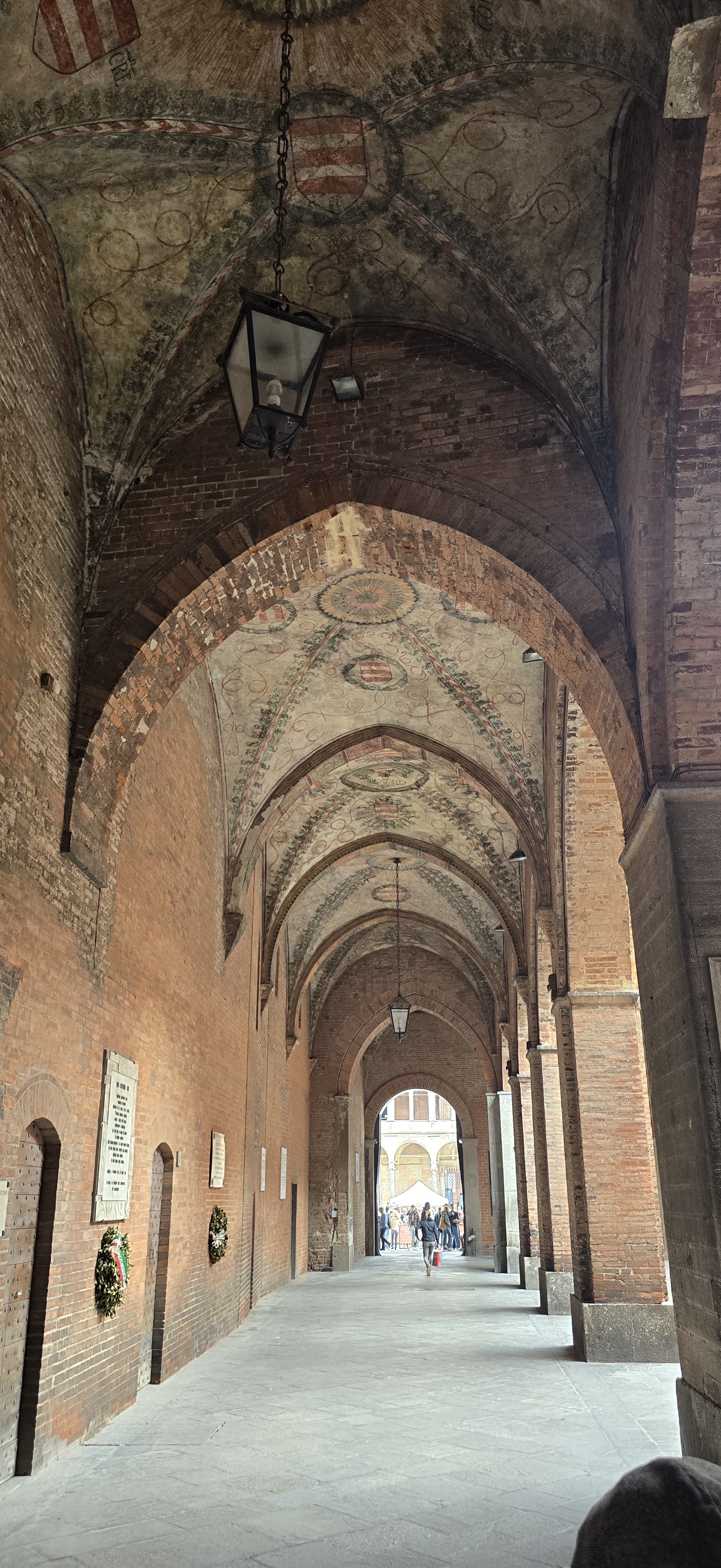
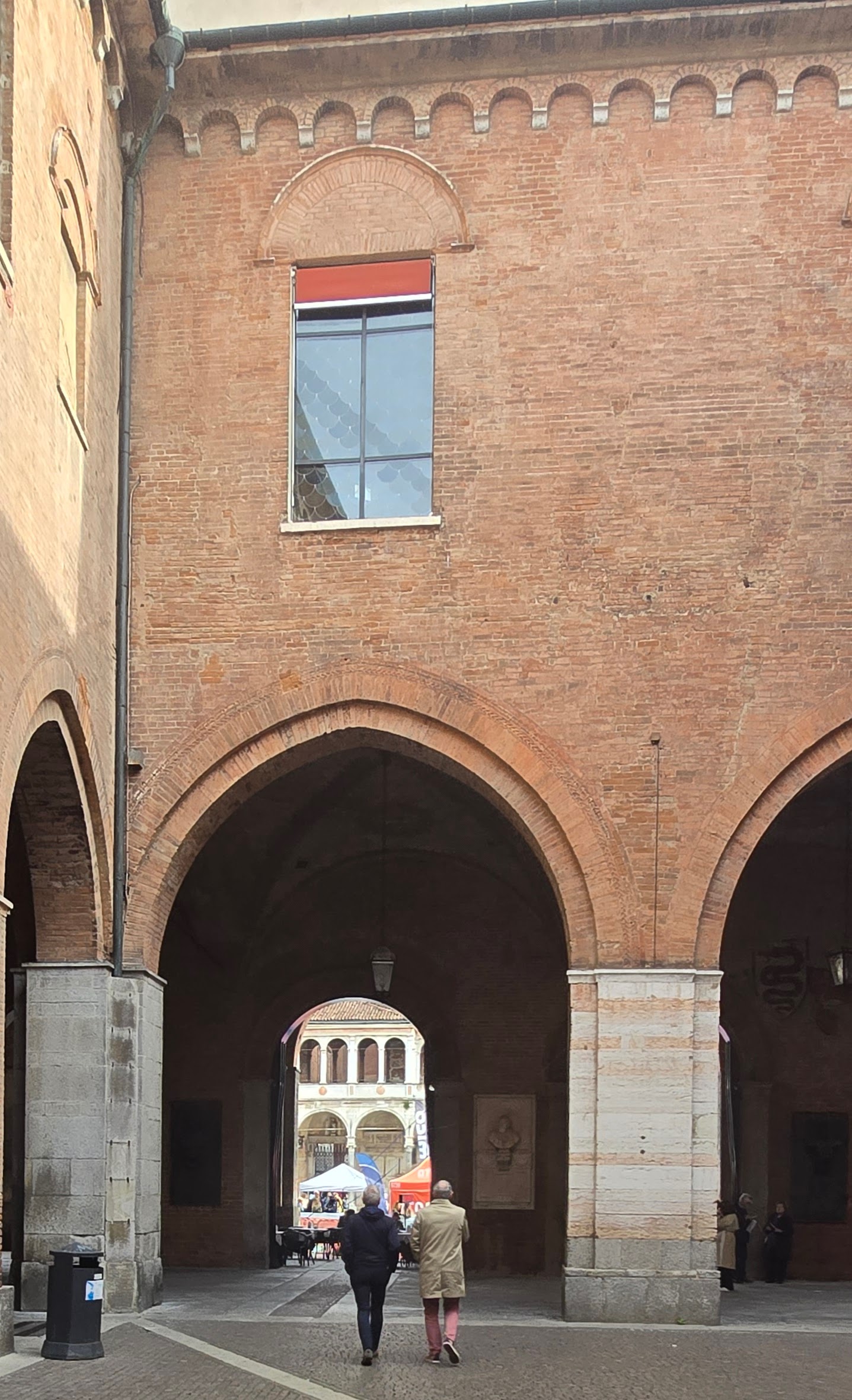
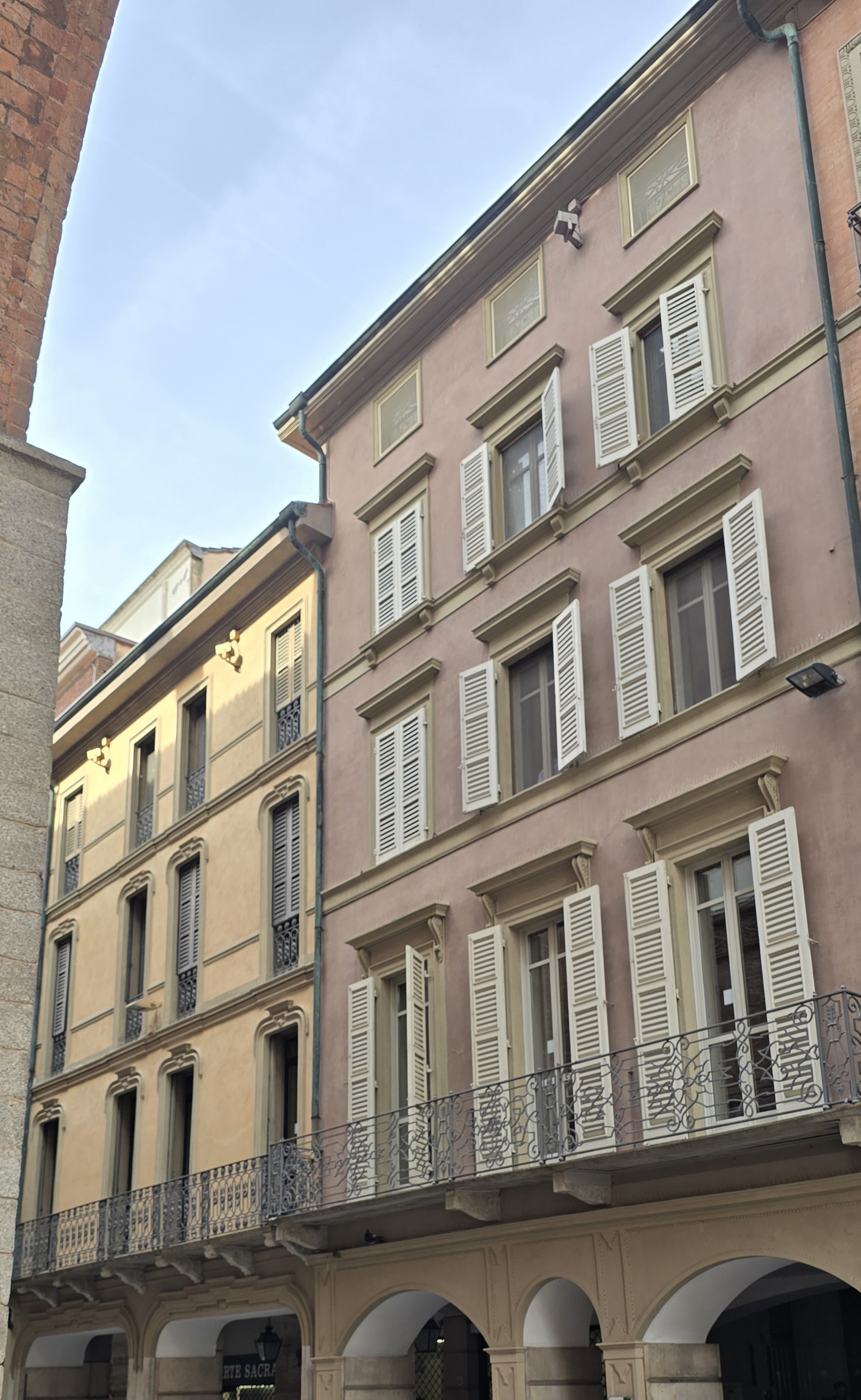
We came for a day, traveling with my host family to visit relatives, but almost immediately I realized I was standing in a place where centuries don’t just exist in museums — they live beneath your feet. Walking through Cremona felt like stepping into a living timeline. The streets were quiet but not empty, old but not forgotten. Sunlight spilled across worn stone and shuttered windows, and every turn seemed to invite me to slow down just a little more. I traced doorways with my eyes, paused in courtyards, and let myself imagine the countless lives that had passed through these same spaces long before mine.
As I wandered, I kept thinking about how many footsteps had echoed here before me — soldiers, merchants, craftsmen, families — people who had no idea their daily errands would one day become history. Cremona doesn’t just feel old in the way buildings age; it feels ancient in the way stories linger. And the more I noticed, the more I realized just how deep its roots truly run.
A Brief Step Back in Time
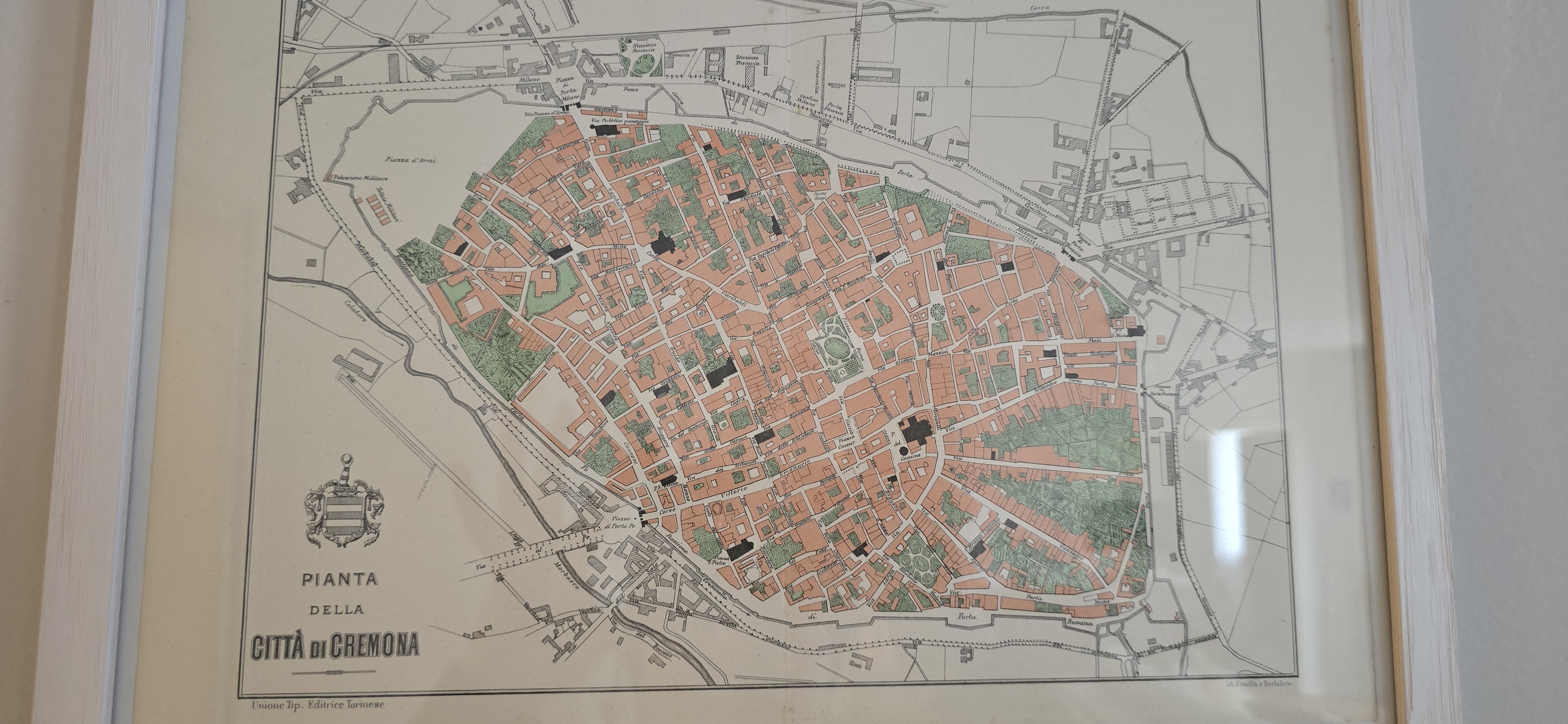
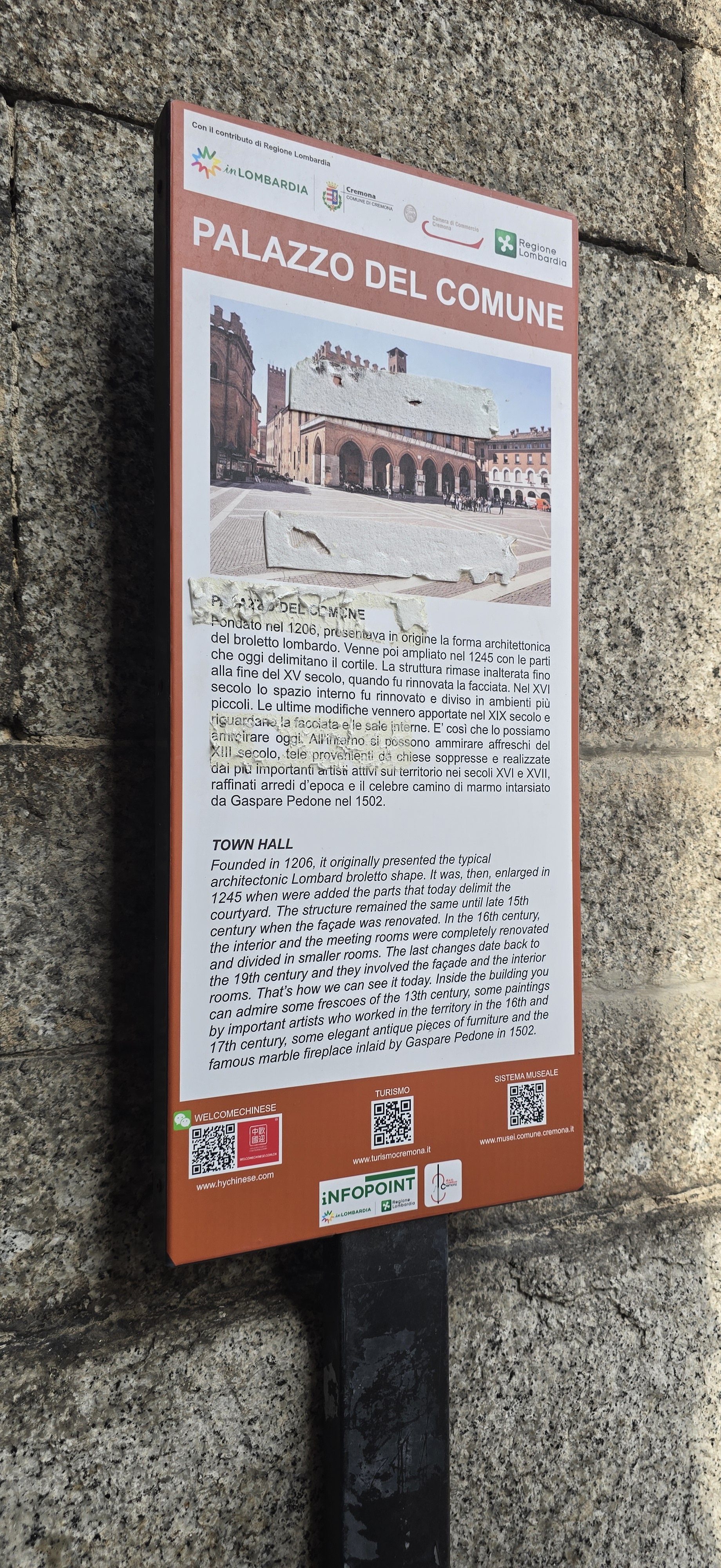
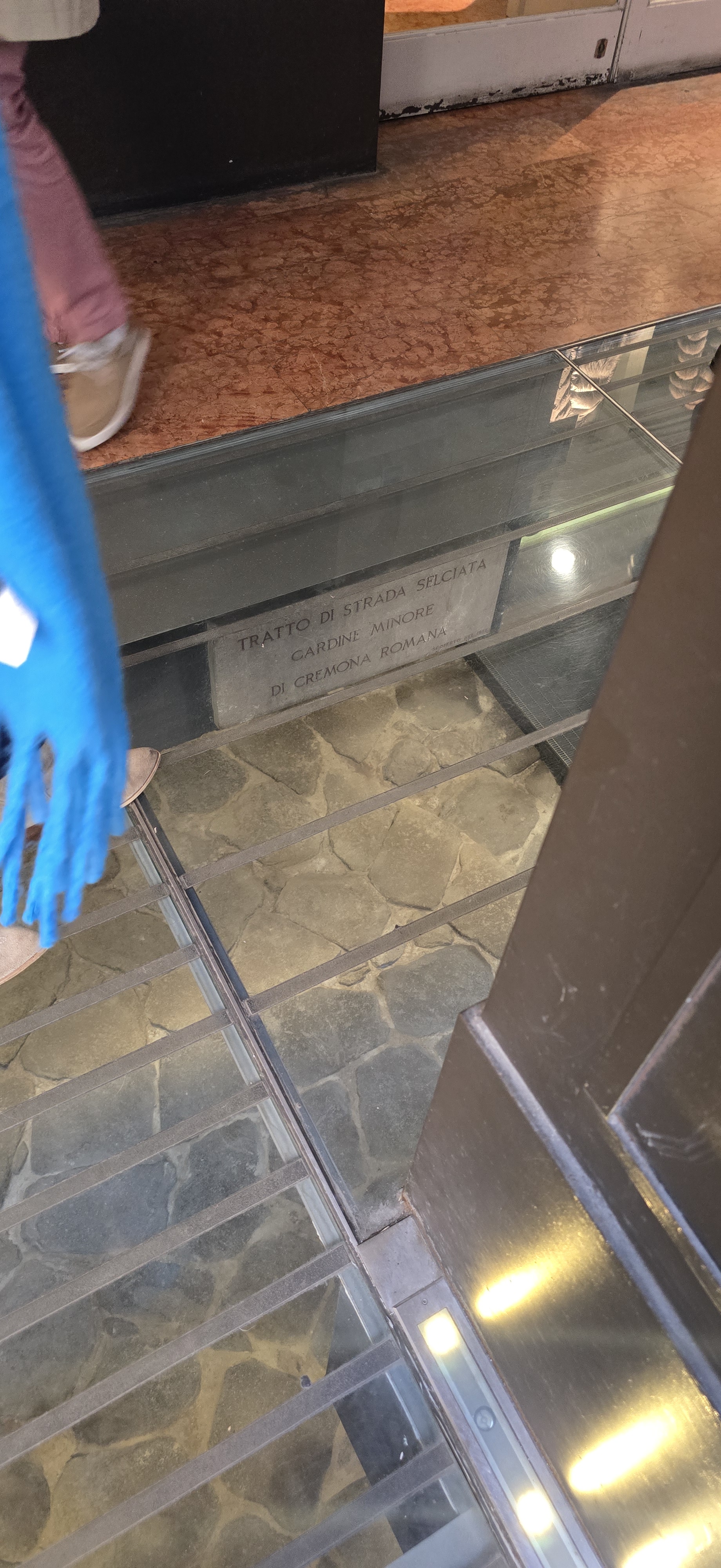
Long before cafés lined the streets and balconies overflowed with flowers, Cremona stood at the crossroads of empire. Founded as a Roman colony in 218 BCE, the city rose during the height of Rome’s expansion, strategically placed near the Po River — a vital artery for trade, movement, and power. The very streets I walked that day follow the same general paths once laid by Roman planners, their stones shaped by soldiers, merchants, and citizens building what they believed would last forever.
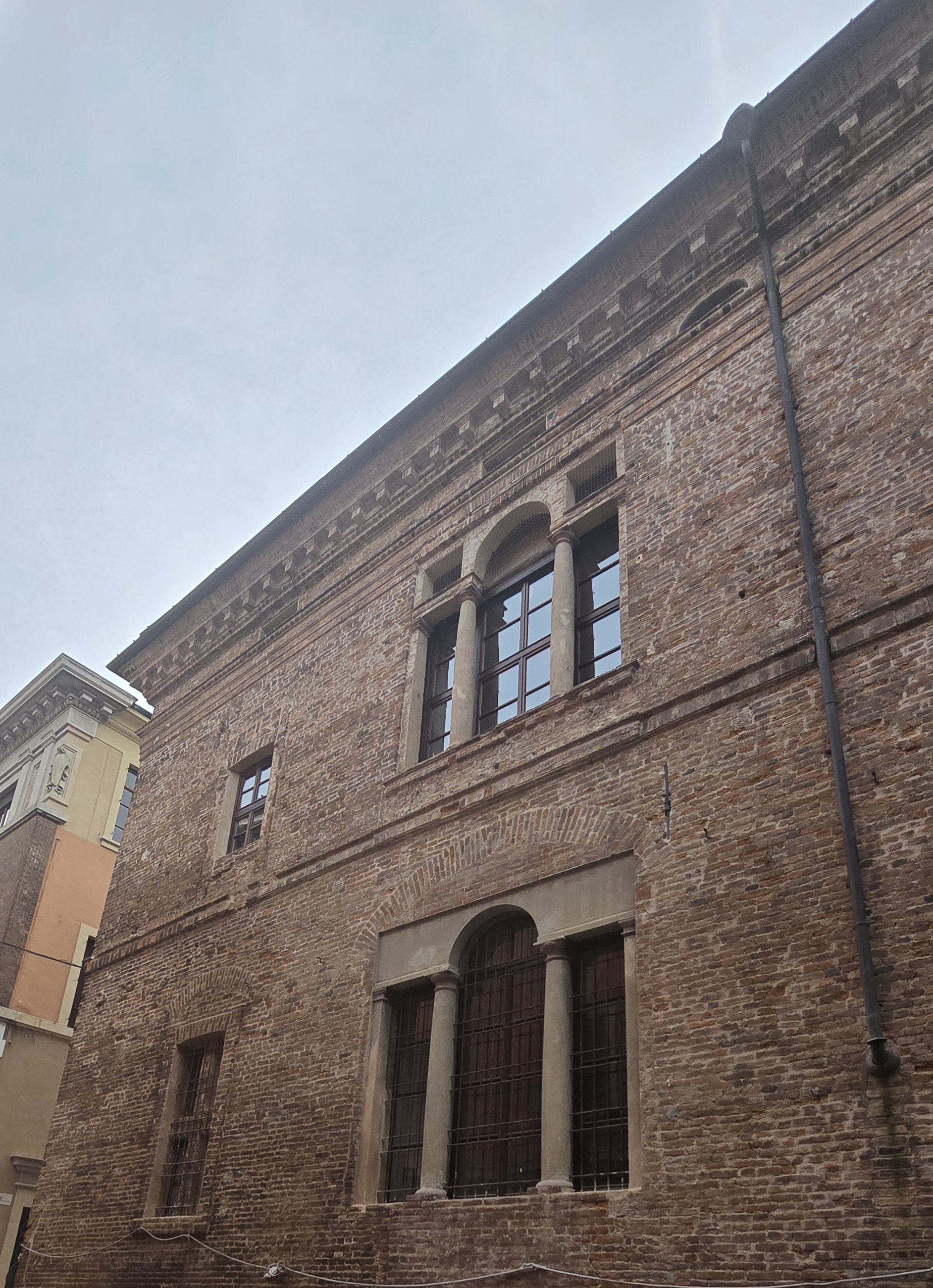
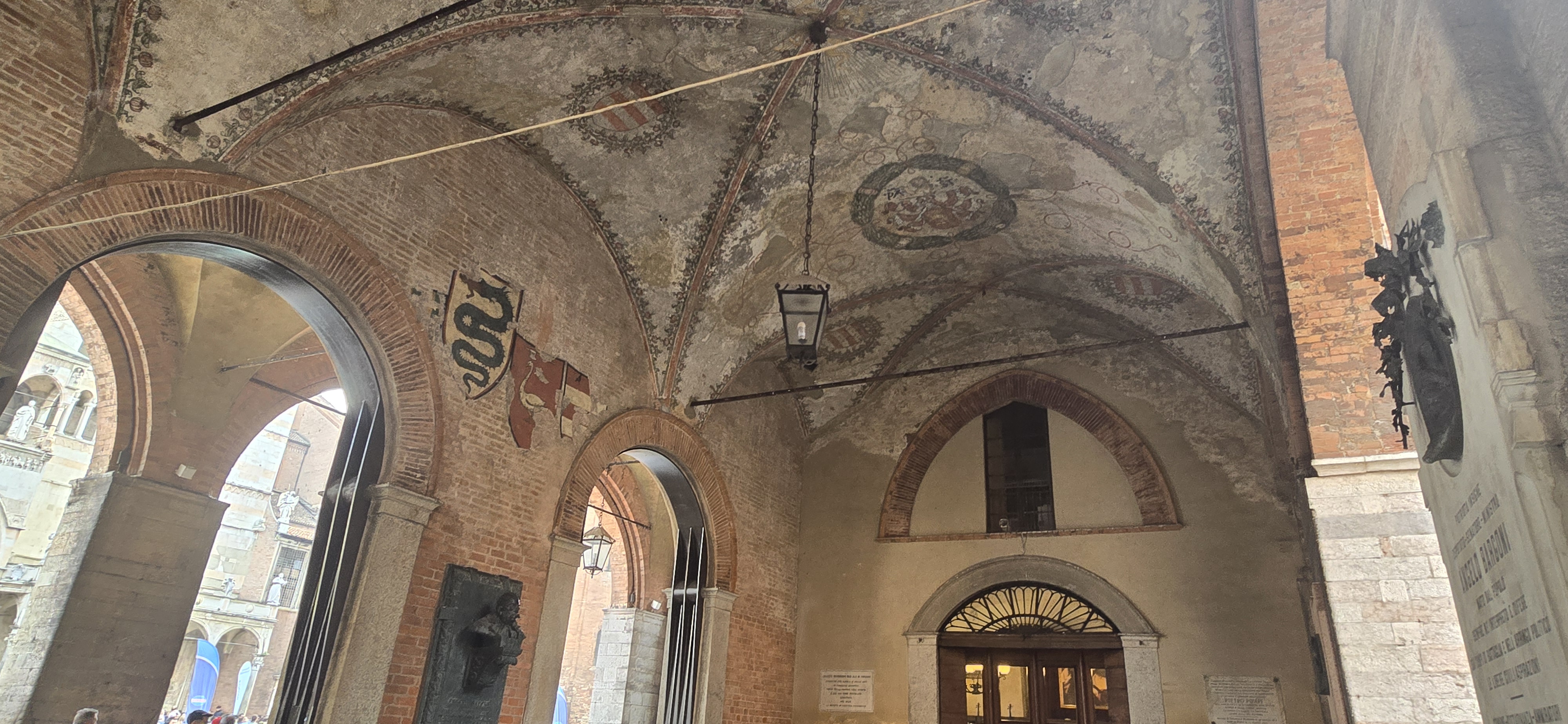
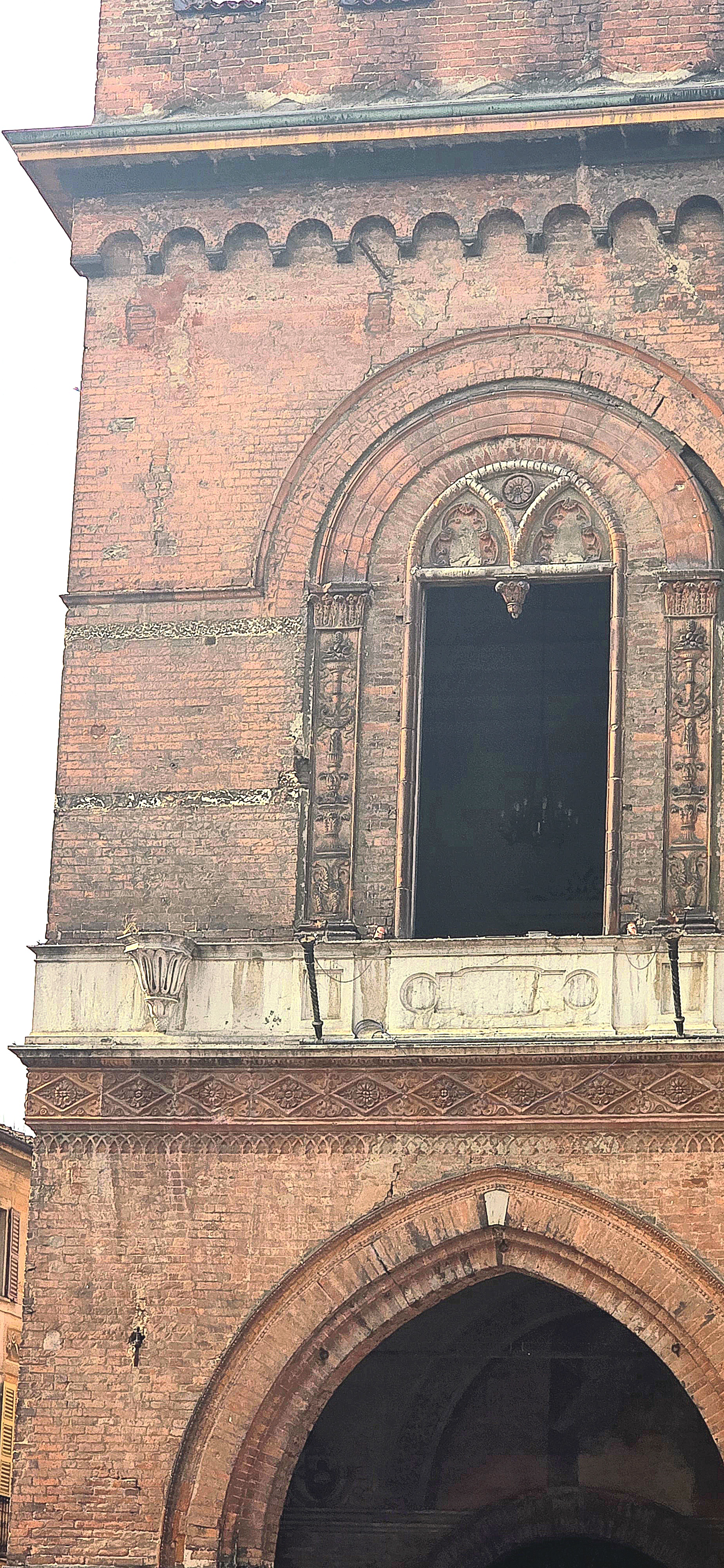
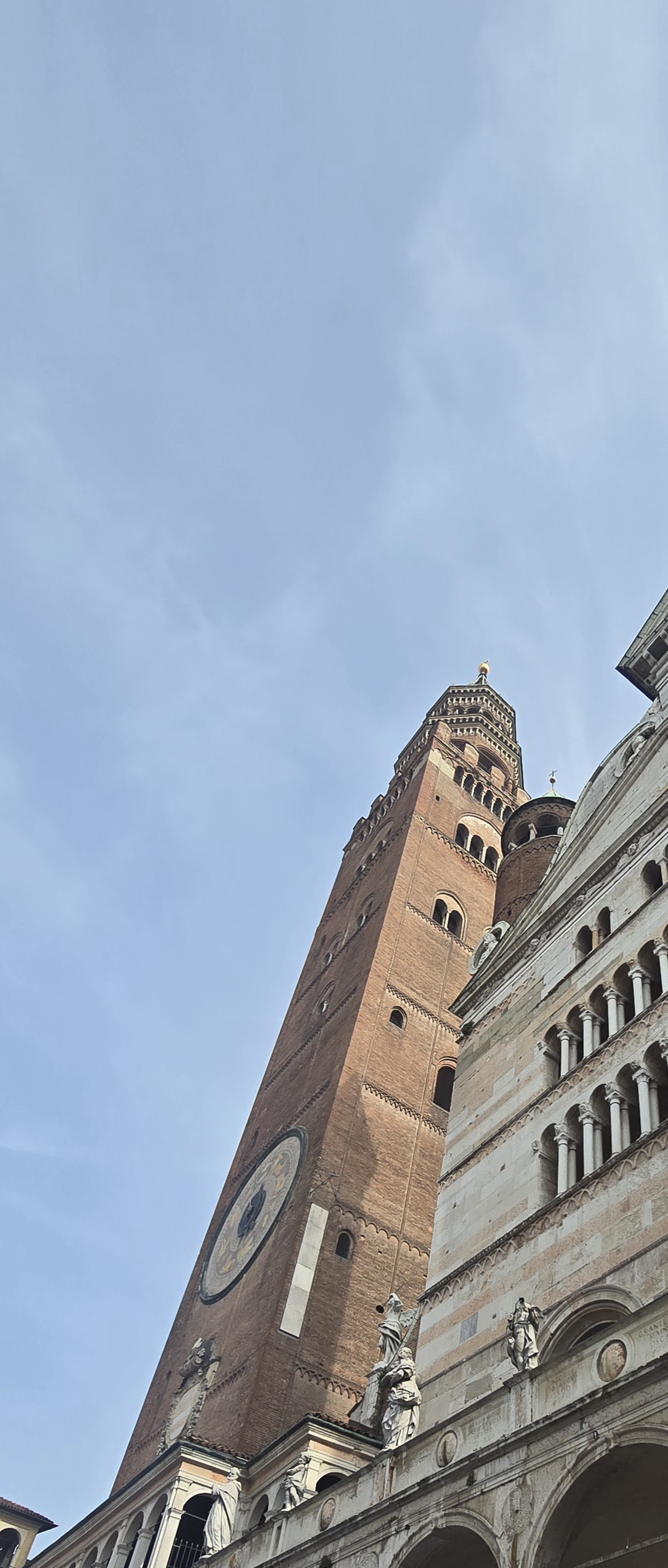
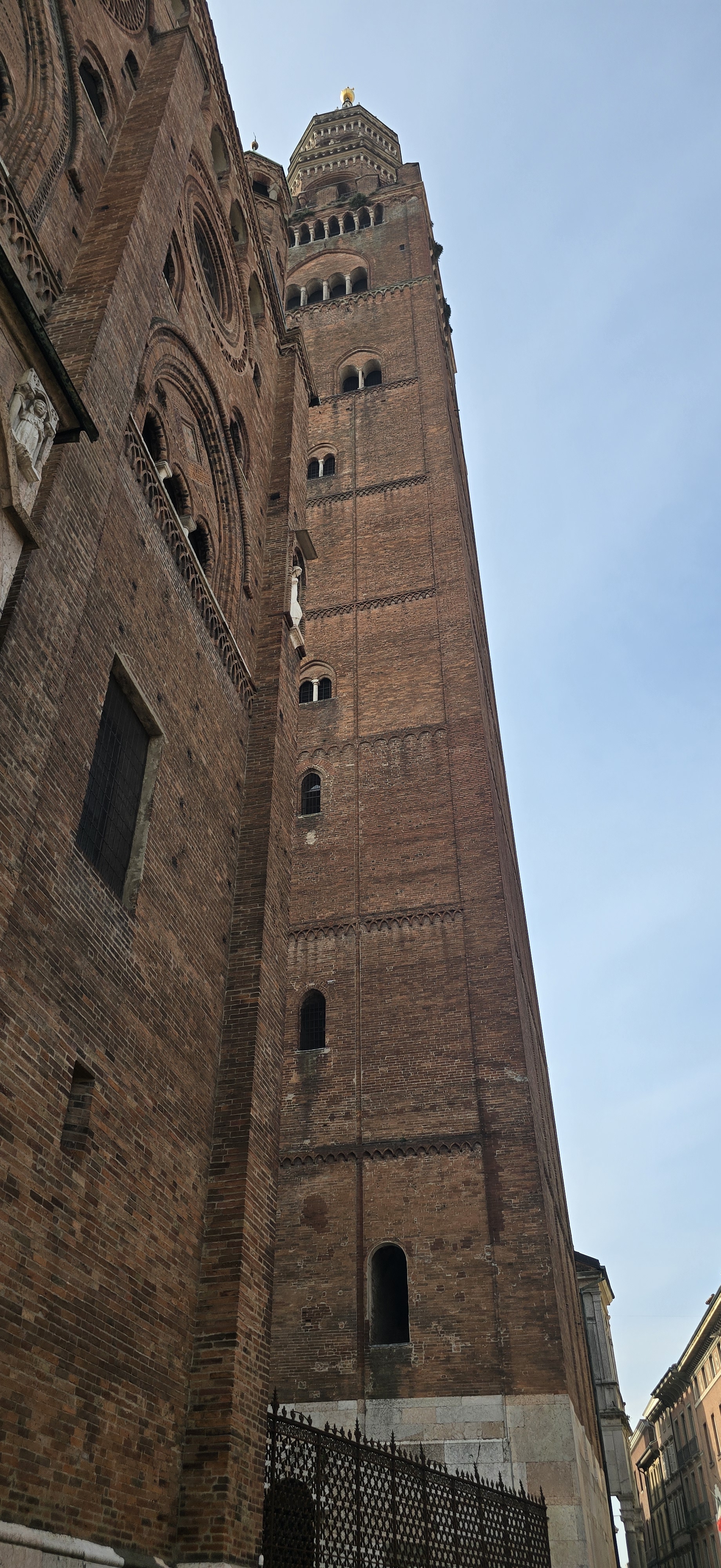
Over the centuries, Cremona grew and transformed — medieval towers rising where Roman foundations once stood, churches built atop earlier structures, doorways layered with the marks of time. Instead of erasing what came before, the city simply built on top of it. Roman foundations gave way to medieval ambition, which later embraced Renaissance beauty — all coexisting, all visible, all breathing together.
Standing there, it struck me how wild it was to realize that these streets had carried the weight of empires, faith, trade, war, art, and ordinary lives — all stacked gently on top of one another like pages in a very old book.
A City That Whispers
Cremona doesn’t shout its history. It whispers it.
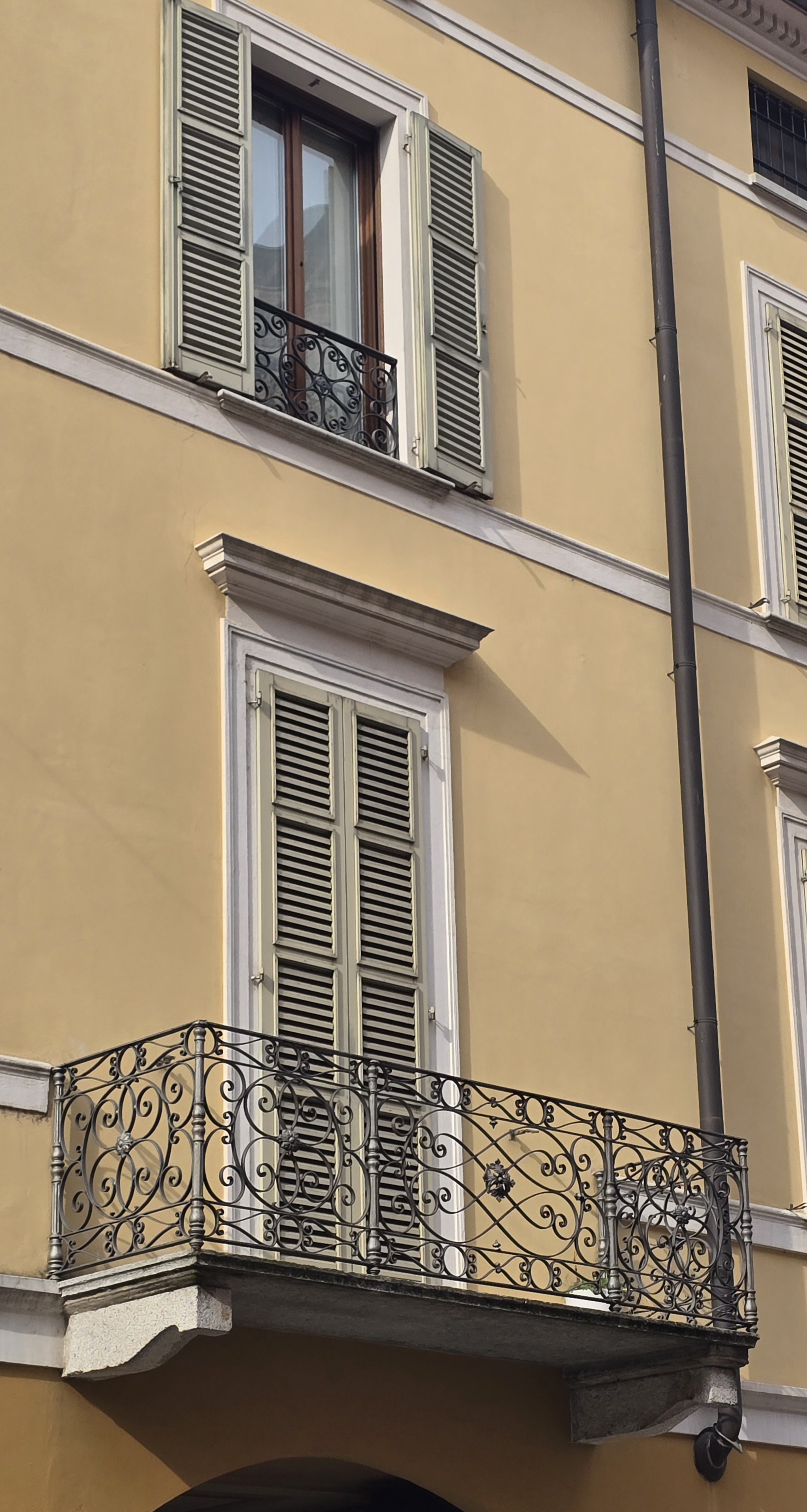
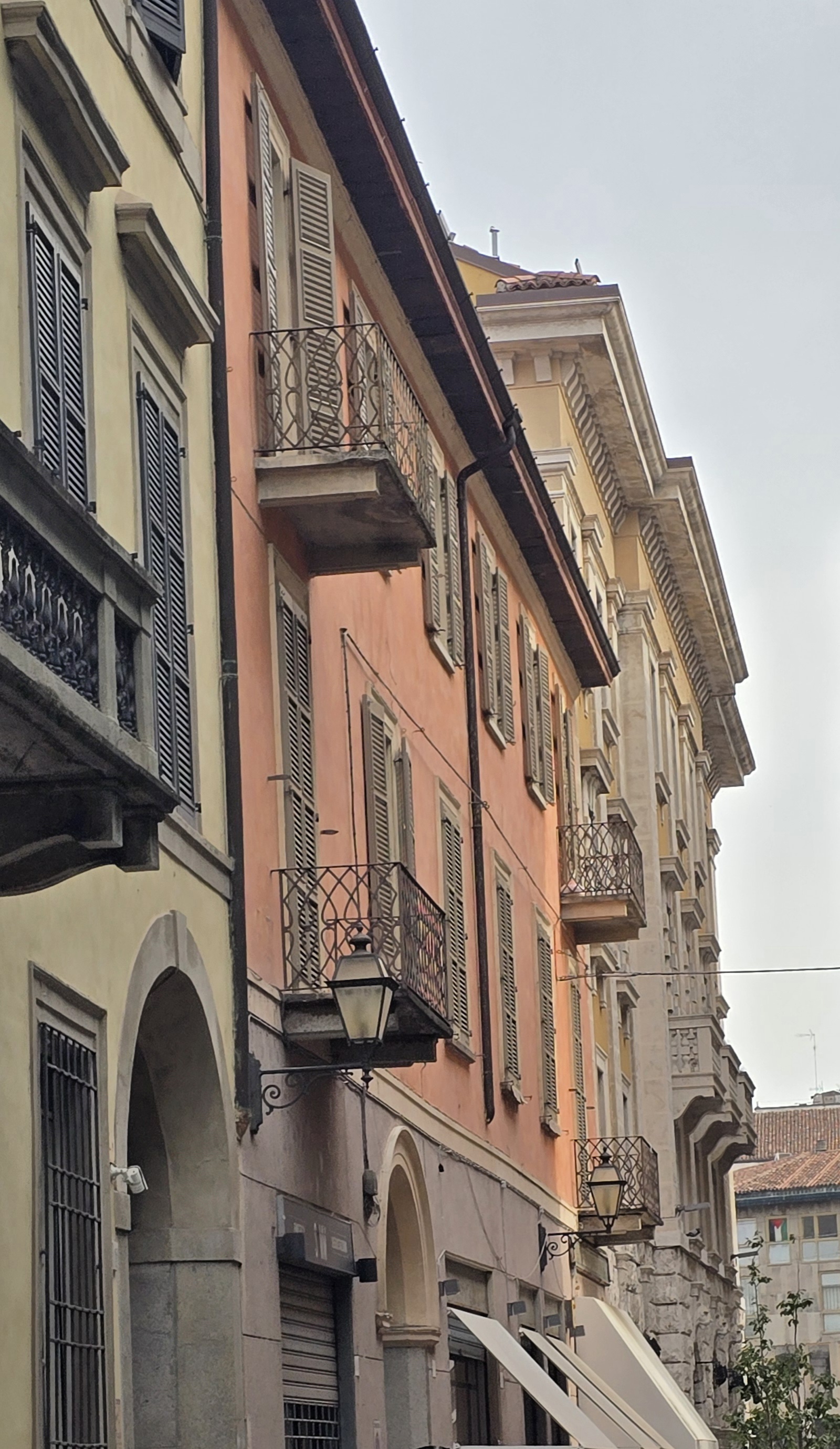
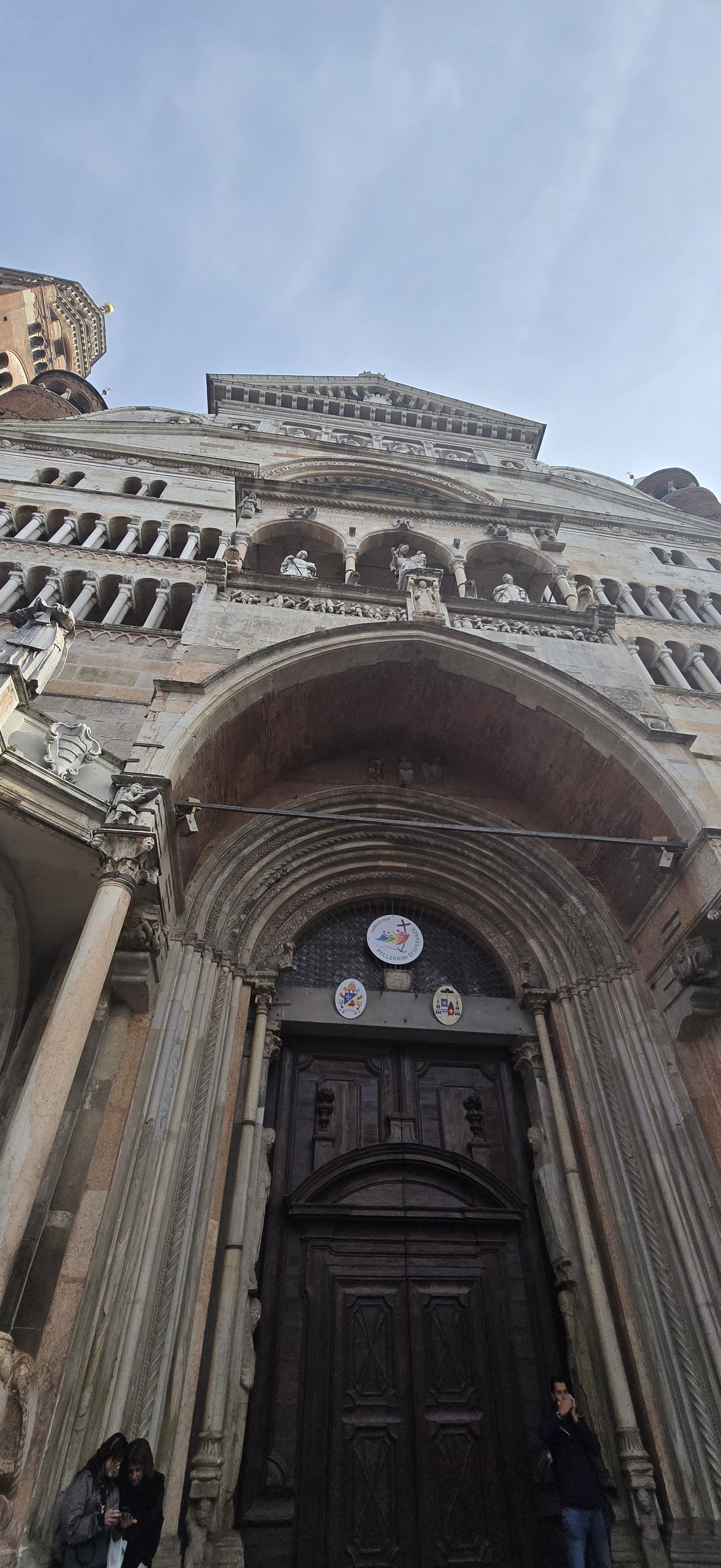
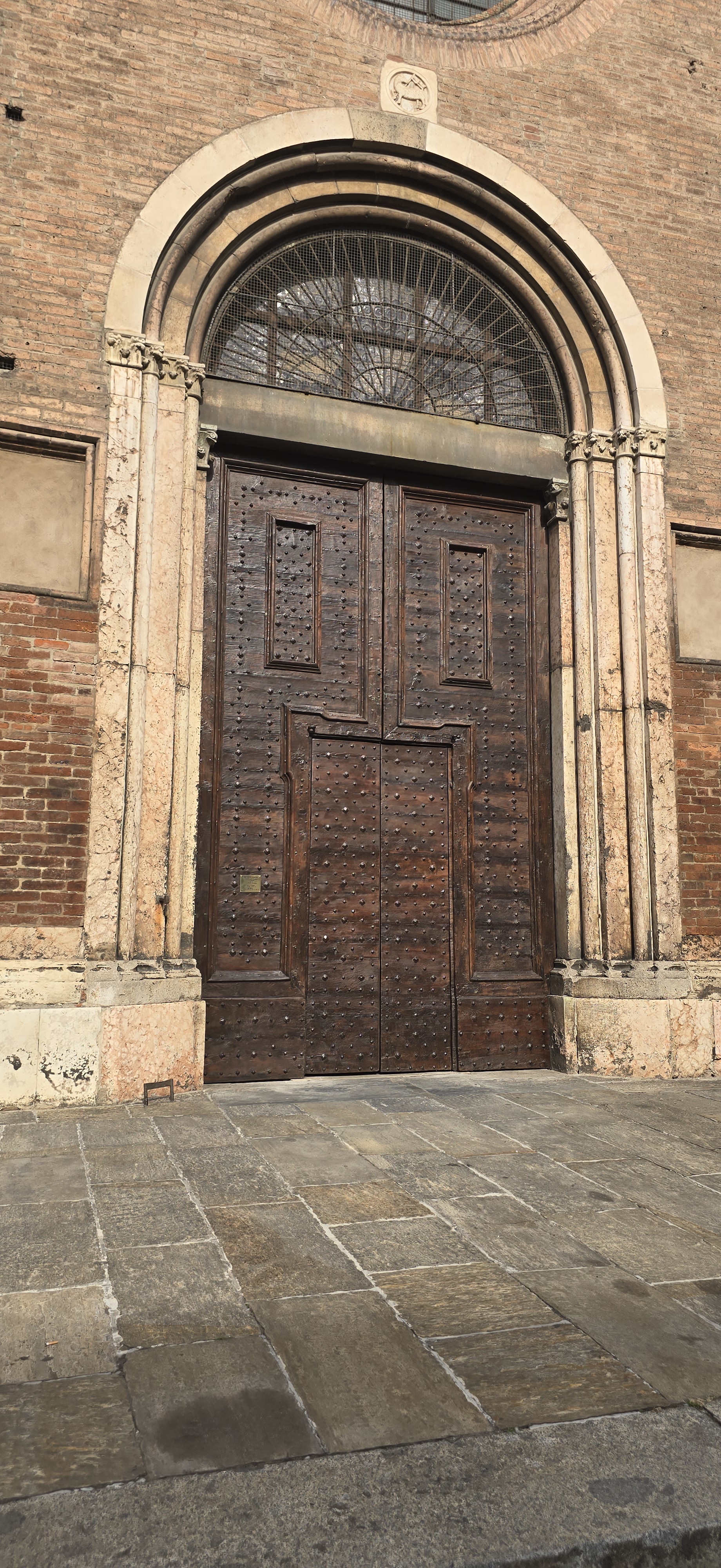
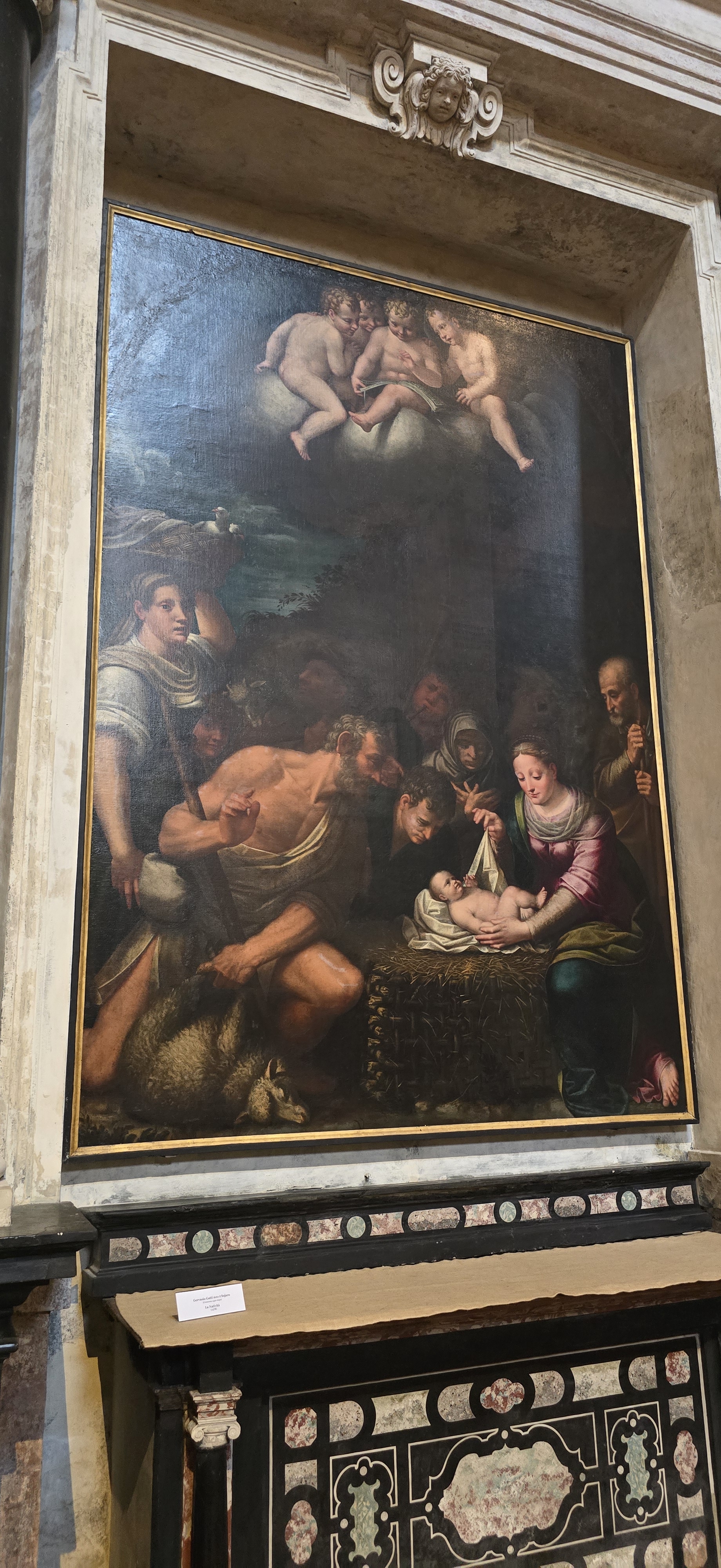
That layering was everywhere — in churches where stone steps dipped softly under centuries of devotion; in heavy wooden doors scarred by time, paint faded into olive greens and deep browns, hinges still holding; in quiet courtyards where the silence felt intentional, as if the city knew when to pause.
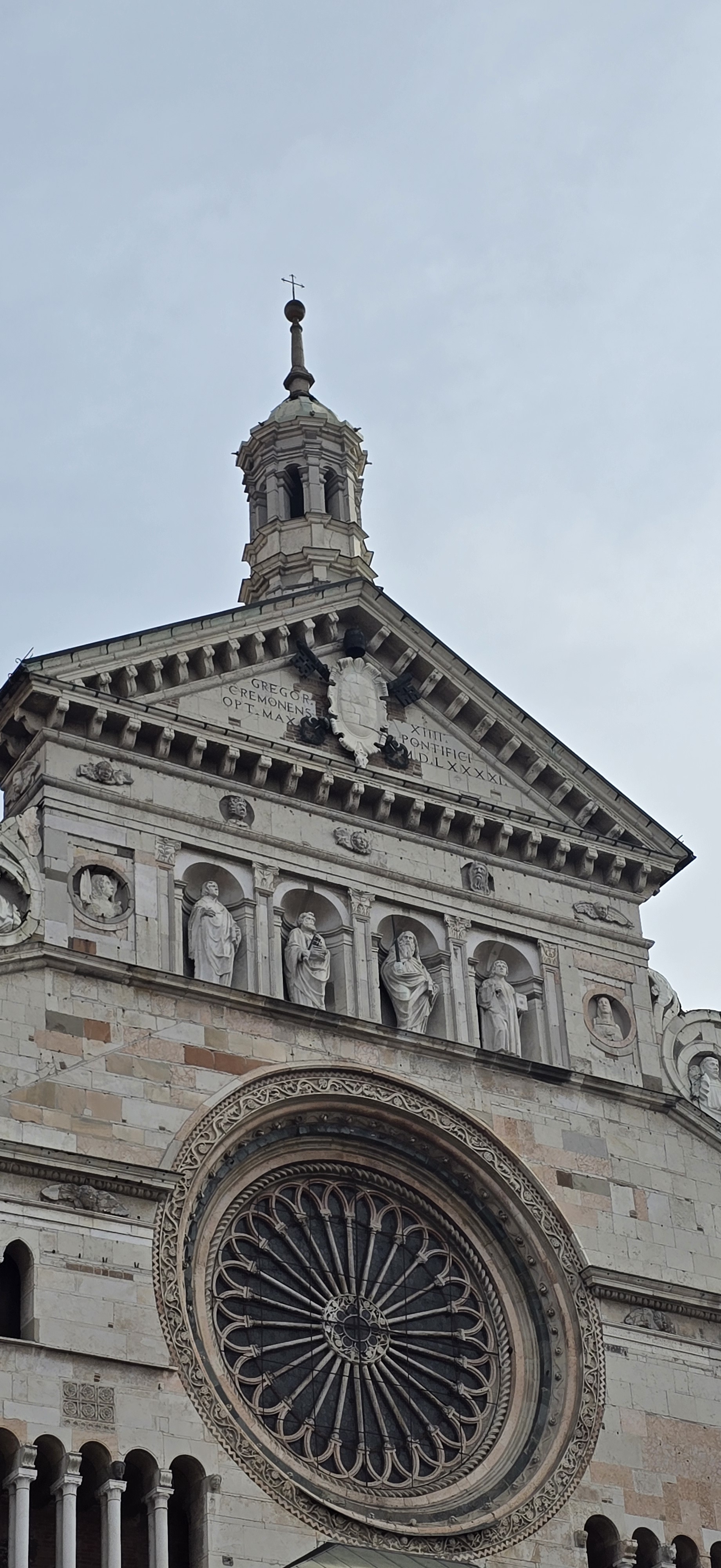
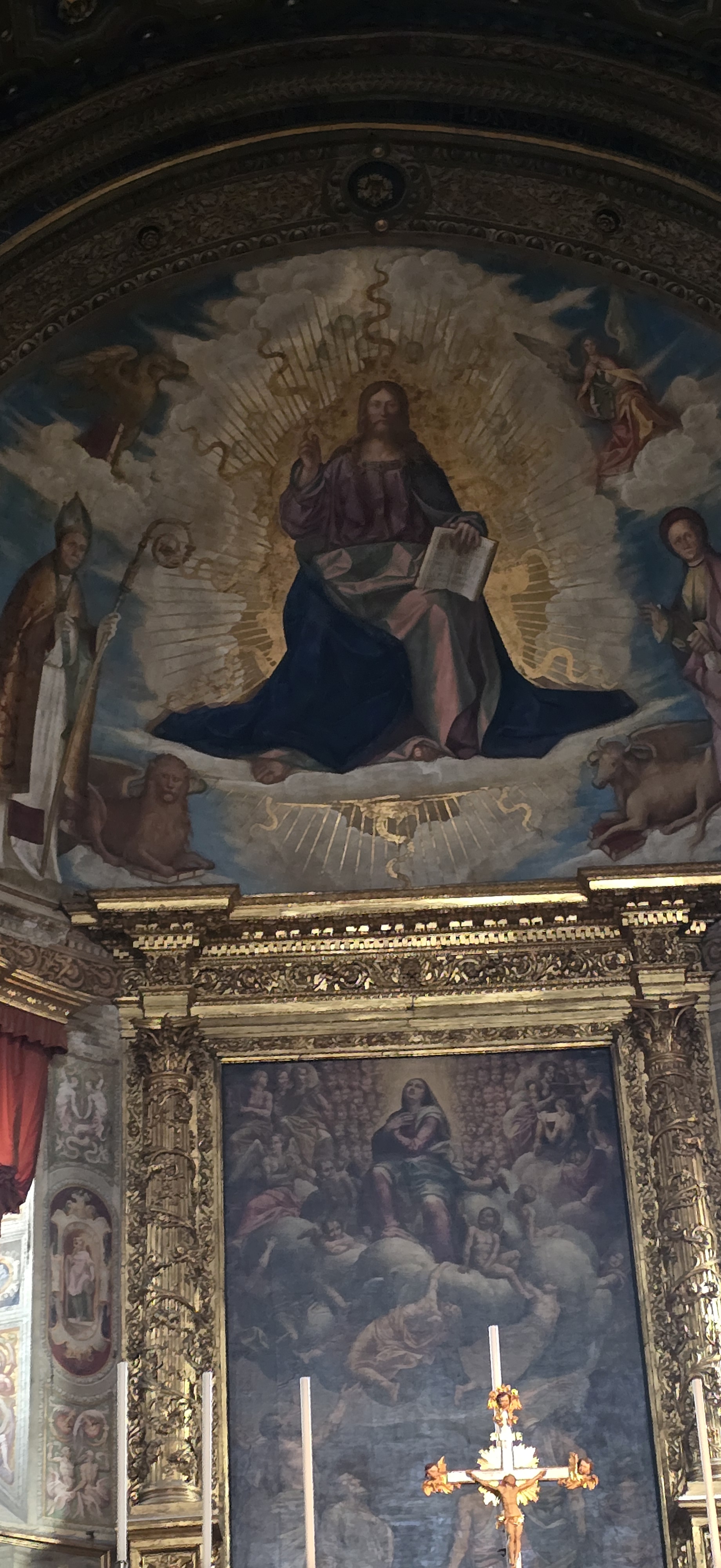
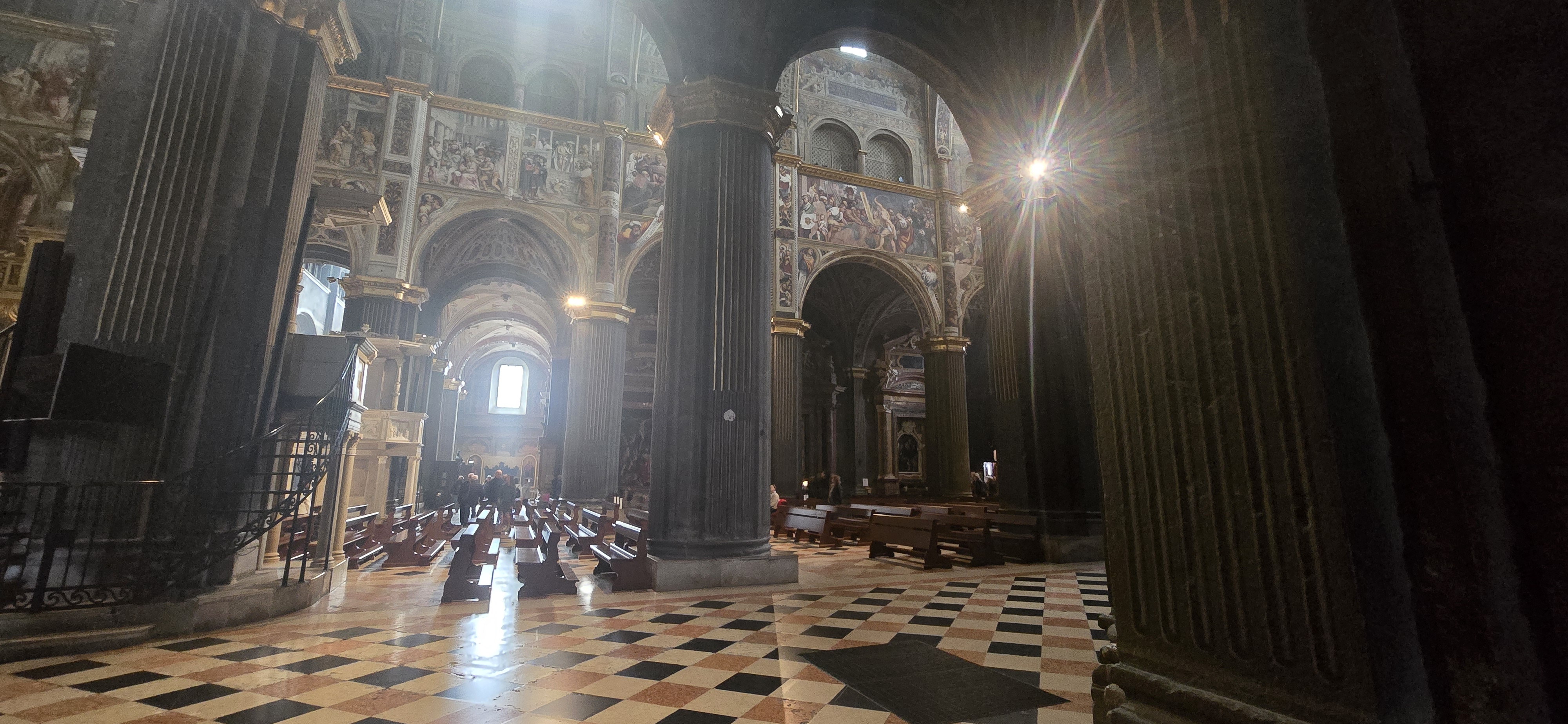
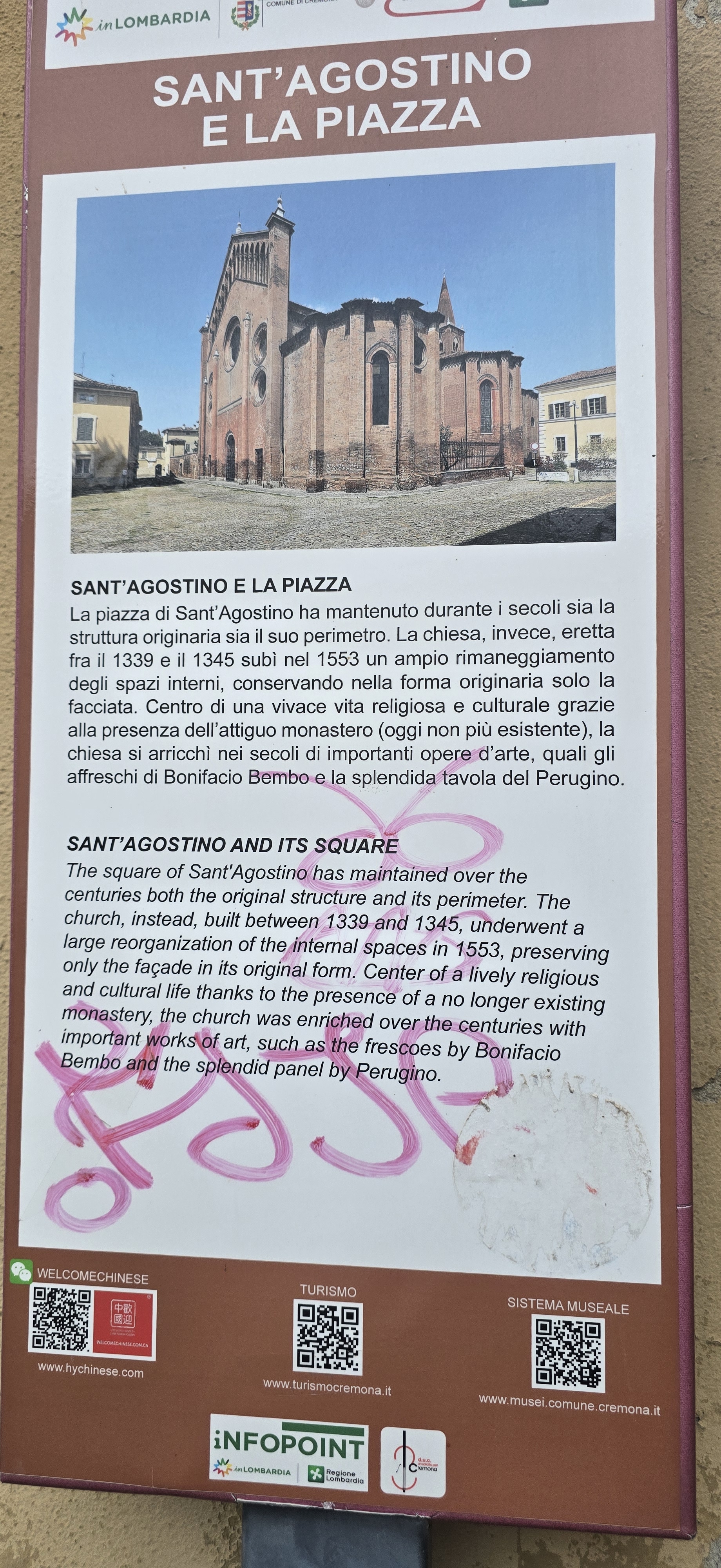
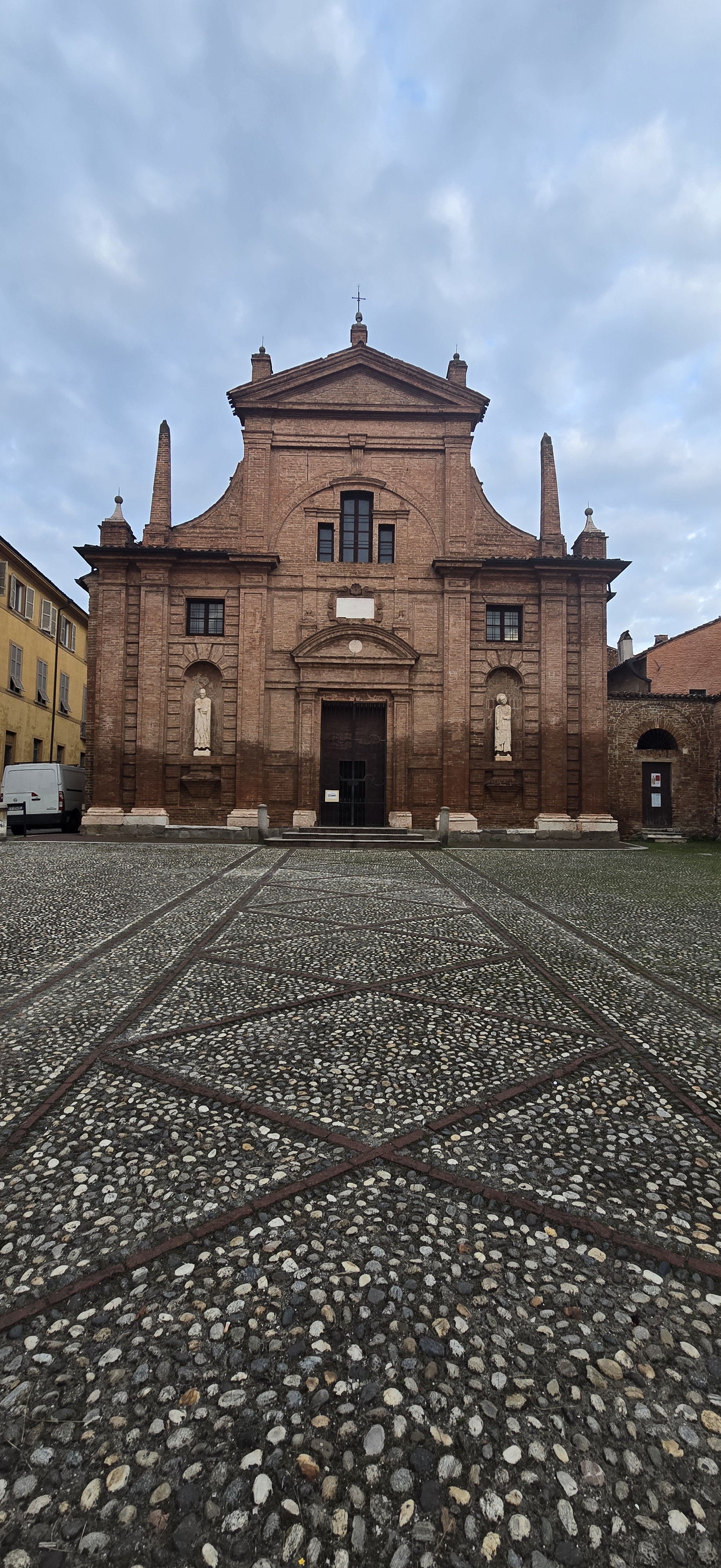
Sacred spaces didn’t feel separated from daily life — they were woven into it. Churches rose not as monuments demanding attention, but as places that had always been there, steady and faithful. Standing before their facades, I felt that familiar tug I’ve come to recognize on this journey — the reminder that faith, like architecture, is built over time. Worn. Repaired. Strengthened. Never rushed.
I found myself slowing down without trying. Cremona invites reverence.
Walking Between Past & Present
Being there with my host family made the day even more meaningful. This wasn’t tourism for the sake of seeing — it was connection. Family stories layered onto historical ones. Shared meals and shared laughter echoing in a city that understands continuity better than most.
Cremona reminded me that history isn’t distant. It’s relational.
It lives in families. In traditions. In the choice to remember where you come from while still moving forward.
Knowing all of this, it felt impossible to rush. Every doorway felt like an invitation. Every church façade, every weathered stone, seemed to hum with memory. I walked more slowly then — not out of reverence alone, but out of gratitude — aware that I was moving through a place that had been becoming for thousands of years, just as I was.
Faith in the Layers
Walking those ancient streets, I couldn’t help but think about how God works in layers — how nothing is ever wasted, and how every season builds quietly upon the one before it. Just as Cremona was shaped by centuries of footsteps, prayers, failures, and faith, I realized my own life had been formed the same way. What once felt like detours or delays were, in truth, foundations being laid beneath me. God had been steady and present in every unseen moment, shaping me long before I understood what He was preparing.
Standing there, surrounded by history that had endured far longer than any single story, I felt a quiet reassurance settle in my heart: becoming takes time, and when God is the architect, every layer has purpose.
And sometimes, faith looks like allowing yourself to walk old roads again — not because you are clinging to what was, but because you trust that God can still gently breathe hope into places that appear finished to human eyes. Old paths do not mean finished stories. They mean there is history worth honoring, lessons worth carrying forward, and a quiet belief that God is still at work in what hasn’t finished becoming.
What Cremona Gave Me
I left Cremona with a full heart, and a renewed sense of perspective. Walking where Romans once walked didn’t make me feel small — it made me feel placed. Part of something ongoing. A reminder that our lives, too, are bricks in a much larger story — laid carefully, imperfectly, but with purpose.
Some cities impress you.
Others teach you.
Cremona did both — quietly, faithfully, and without ever asking for applause.

























 Where in the World is Dakota?
Leave a comment